
BZS Releases 2025 Micro Forest Report
The Bermuda Zoological Society has released its 2025 Micro Forest Project Impact Report, highlighting some of the impact of the project.
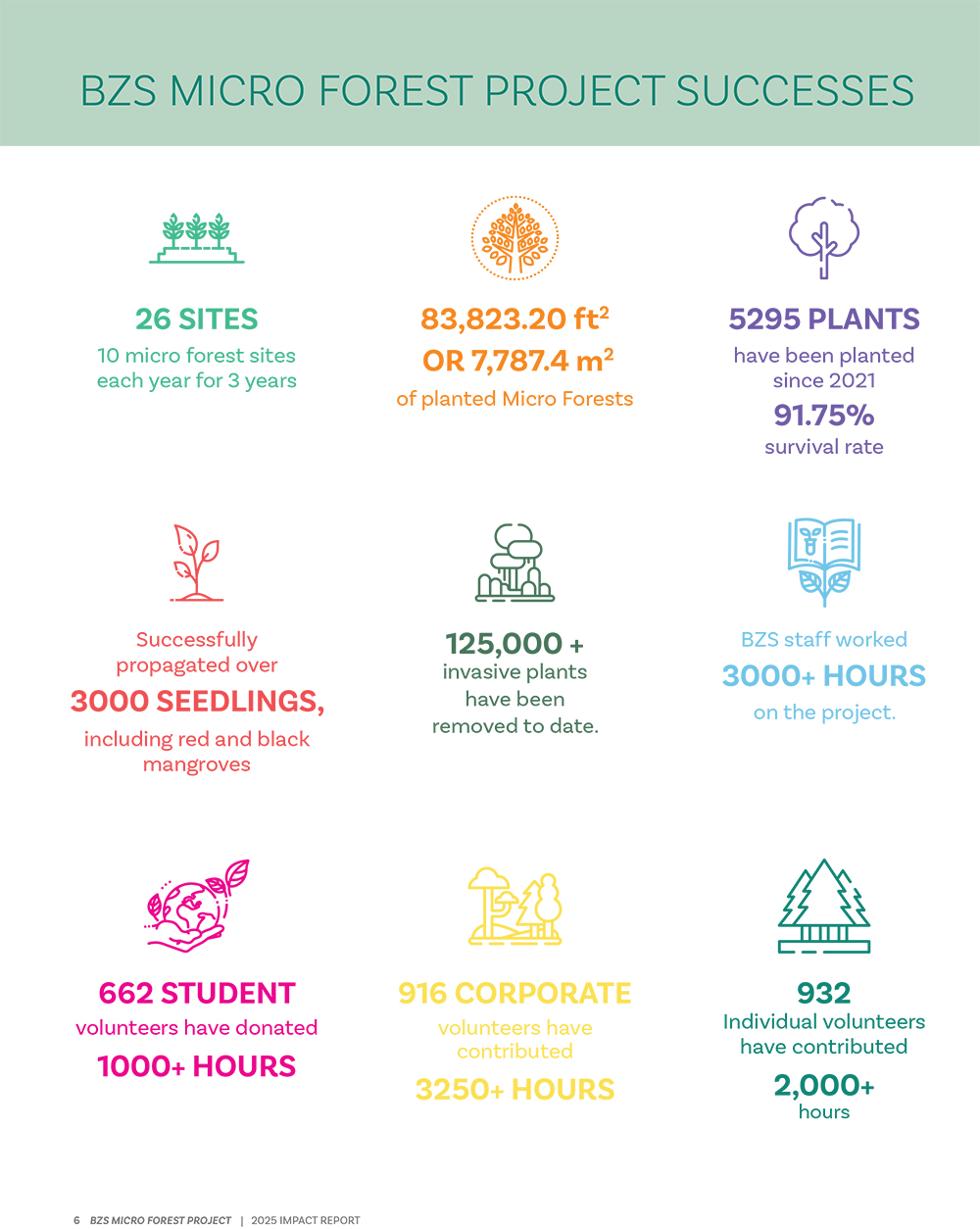
A spokesperson said, “The Bermuda Zoological Society [BZS] proudly enters the fifth year of its pioneering Micro Forest Project – a community-driven initiative that is transforming underutilised and invasive-dominated spaces into thriving native ecosystems across Bermuda, with over 83,000 square feet of micro forests planted since 2021.
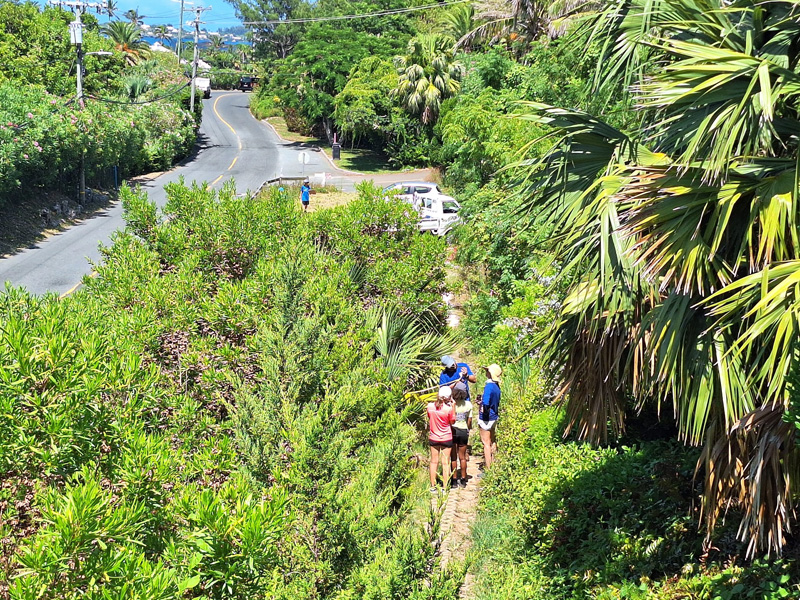
“Over the past four years, the project has:
- Planted 5,295 native plants across 26 micro forest sites with an impressive 91.75% survival rate.
- Removed more than 125,000 invasive plants to restore biodiversity.
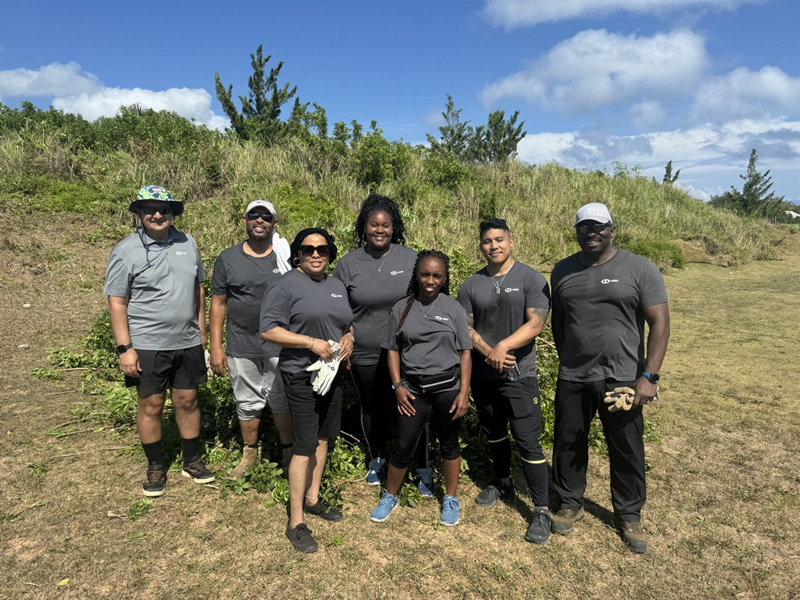
- Engaged over 2,500 volunteers, including students, individuals and corporate teams, contributing thousands of hours of stewardship.
- Integrated cutting-edge conservation tools such as drone technology to monitor ecosystem health and accelerate intervention when needed.
“The project’s success reflects the strength of community collaboration. With the support of Lead sponsors HSBC, Founding Partner RenaissanceRe, corporate partners, schools and volunteers, many throughout the community have played a vital role in establishing these micro forests that benefit both the community and our island environment.

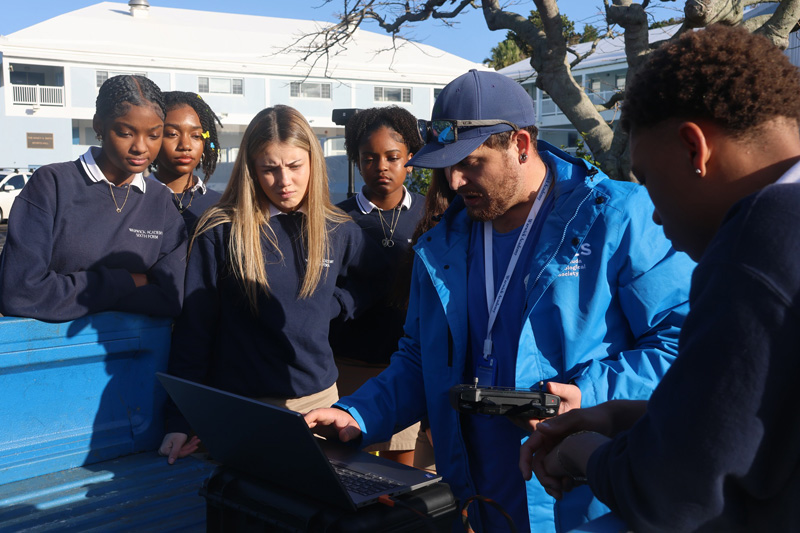
“Education is also a key part of the BZS Micro Forest Project, and by involving students from pre-school to university level, the initiative connects young Bermudians to conservation in hands-on ways. Students have planted trees, explored drone mapping and participated in service projects that build both environmental awareness and a sense of stewardship.
“From the Warwick Academy Year 7 Tree Stewards Program, who explored advanced conservation technology with Micro Forest Project Officer Nicholas Coelho to collaborating with the BZS Education team to teach pre-schoolers about plants and gardening at the King’s Coronation Garden and Dalton E. Tucker site, campers from Conservationist Camp data collecting at the Jennings Land micro forest and interns getting a deeper understanding of conservation techniques. These partnerships have not only supported reforestation but also inspired a new generation of environmental leaders.
“Over the four years, our team have found that our micro forests are powerful environmental frameworks to combat climate change. With the potential to sequester more than 100 metric tons of carbon dioxide annually, the forests improve resilience against extreme weather, enhance biodiversity and help restore the balance of local ecosystems. As of 2024, Micro Forest Plot 1 at Jennings Road our team calculated over 30,000 pounds of carbon dioxide absorption over three-year period.
“The project has also earned both international and local recognition, including the Darwin Plus Local Grant from the UK Government, the 2024 Bermudiana Award for Natural Heritage Impact from the Bermuda National Trust, and invitations to present at conservation workshops. In 2025, the Project was awarded Best of Bermuda Award for Booster for the Environment.”
BZS Micro Forest Project Officer, Nicholas Coelho, said: “The BZS Micro Forest Project is showing us just how powerful focused, community-driven conservation can be. In only a few years, we have established 26 micro forests across Bermuda, covering more than 85,000 square feet.
“These spaces are more than just plantings of native trees. They are living, breathing ecosystems that improve soil health, draw down carbon and provide vital habitat for Bermuda’s wildlife. Just as importantly, they are places where our community of students, volunteers, families and organisations come together to take real action for the environment.
“One of the most exciting examples is our work at Bermuda College, where an abandoned hillside once dominated by invasives is being transformed into our largest forest yet – spanning half an acre. Students have played a central role in preparing, planting and caring for this site, and it is now both a beacon of regeneration and a living classroom where young people learn firsthand about sustainability and ecology. This single forest represents more growth than we accomplished across ten sites in our first year, highlighting the exponential impact this project is having.”
Colin Brown, BZS Micro Forest Project Committee Chair, said: “None of this would be possible without the vision and generosity of our donors. This essential support, both in funding and volunteers, enables us to take on challenges, innovate when conditions are tough, and inspire the next generation of environmental stewards. Together, we are not only restoring Bermuda’s natural landscapes, we are also building resilience, strengthening biodiversity and ensuring that our island can thrive for generations to come.”

BZS President, Philippe Bacon added: “The Micro Forest Project reflects the BZS’s core mission of conservation, education and community engagement. By restoring native habitats one small forest at a time, we are not only protecting biodiversity but also building natural resilience against climate change. This initiative empowers our community to take part in shaping a healthier environment, and together, we are moving Bermuda toward a more sustainable future.”
The spokesperson said, “As the BZS Micro Forest Project enters its fifth year, it continues to grow as community-based conservation initiative providing a healthier, more sustainable island environment. For more information, to sponsor a micro forest, or to get involved, please contact microforest@bzs.bm or visit www.bzs.bm.”
The full Micro Forest Project Impact Report follows below [PDF here]:


Read More About
Category: All, Environment, News


I really appreciate what an organization like this is doing for Bermuda. I believe Government should do more to support nature especially considering that the beauty of Bermuda and infrastructure encourages a tourism, arguably the most important industry for Bermuda as it supports the middle class; ie taxi , restaurants, and services for every day Bermudians. We can on produce so many lawyers, accountants,actuaries as Bermudians.
I ma not sure why Government can participate in projects like secure routes and agricultural clean up of Rail track roads, botanical gardens; the is a lot more need for road infrastructure etc than A zip line at South lands
Why not get advice from a group like this instead of taking on and destroying olaces that should be and was entrusted by the Government to protect ?