
Column: Harris On Dyslexia, Education & More
[Opinion column written by Tina Harris]
What do Daniel Radcliffe, Octavia Spencer, Lewis Hamilton, Walt Disney, and Richard Branson have in common? They’re all icons in their fields – and they all have dyslexia.
Dyslexia affects up to 20% of the global population. That’s one in five people. In Bermuda, that could mean more than 1,600 students are navigating school with brains wired to learn differently. Too often, these differences are unrecognised or misunderstood – leading to frustration, low confidence, and missed opportunities.
Dyslexia is not about low intelligence or lack of effort. It’s a neurological, language-based learning difference that impacts reading, writing and spelling. Matching sounds to letters and decoding words can be difficult, which in turn affects reading fluency and comprehension. With the right instruction and encouragement, students with dyslexia can achieve academic success, discover their strengths and thrive.
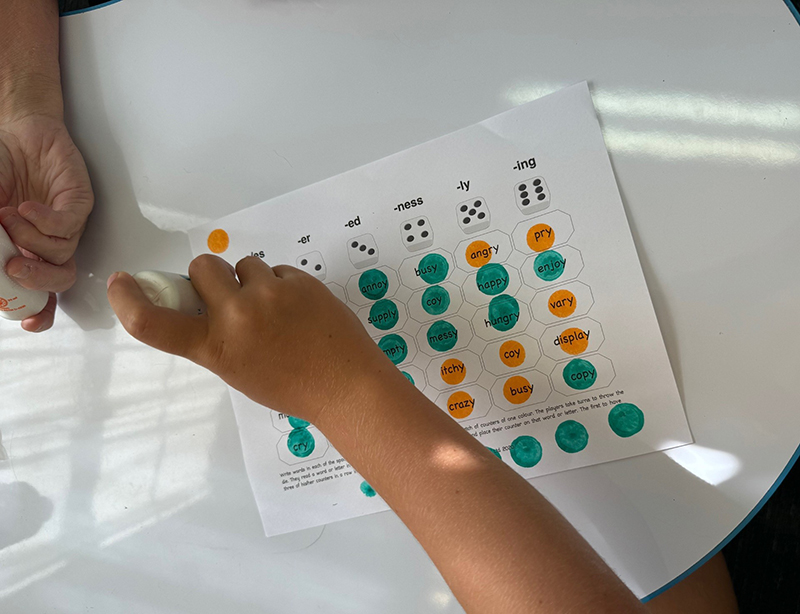
Since 1968, The Reading Clinic has been helping children unlock that potential. Founded by Elizabeth “Betty” Kitson, the Clinic’s mission has been to ensure that children in Bermuda, regardless of background, have access to the support they need to unlock their full potential. What began as a small community-driven effort has evolved into a vital community institution now offering four specialised services to address dyslexia, math-related learning differences, and the diagnosis of learning differences.
Core Reading Programme – Using the gold-standard Orton-Gillingham approach, 40 trained tutors deliver over 80 one-on-one sessions each year to more than 110 students with dyslexia, helping rewire the brain for reading and spelling success.

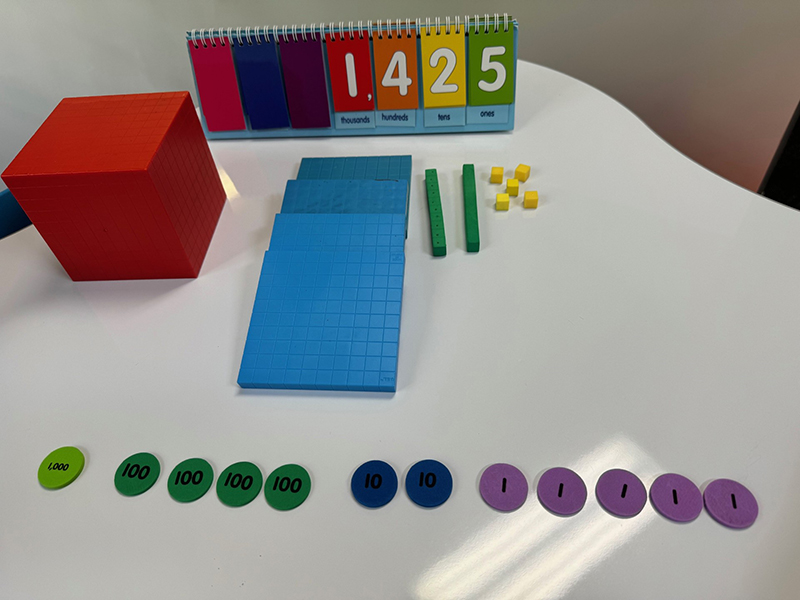
ICAN Programme – Specialised, hands-on numeracy support for children significantly struggling with maths, serving 56 students last year with tailored instruction from 25 instructors.
I-PLAY Programme – Early intervention in seven public preschools, building essential pre-literacy skills in over 120 children annually through songs, stories, and games.
Diagnostic Testing Service – Comprehensive assessments and recommendations to ensure no child is left behind due to an unidentified learning difference.
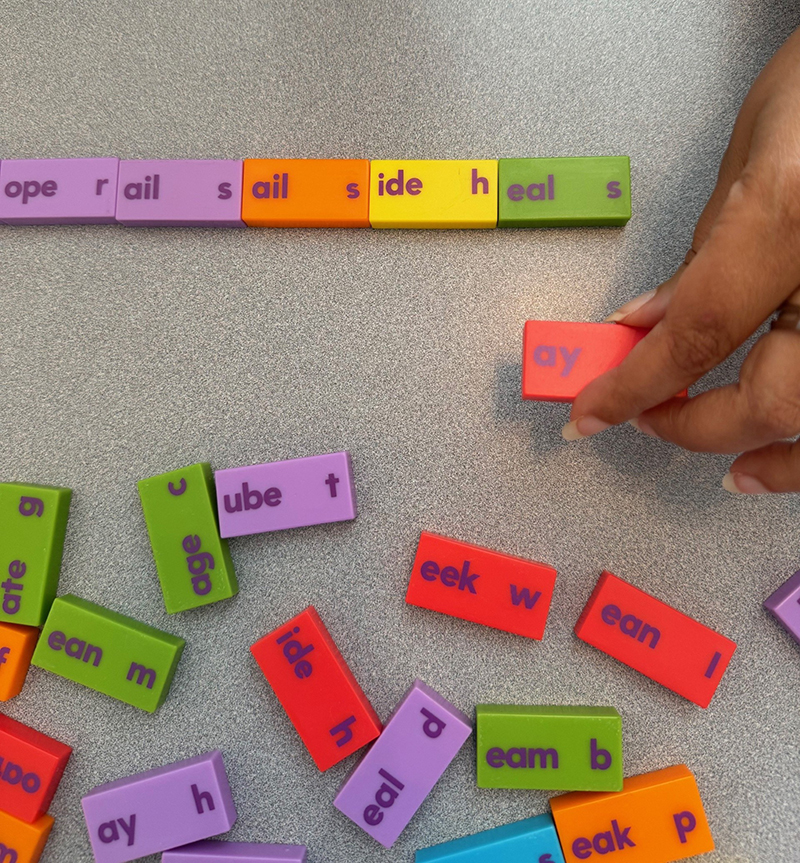
These programmes are designed to be accessible, but they come at a cost as they require one-on-one support with specialised tutors. And thanks to generous donors, The Reading Clinic is able to subsidize fees to keep session affordable. Further support is available with tiered financial assistance for those with demonstrated need ensuring every family – regardless of income – can access the help their child needs.
The stakes are too high. Without diagnosis and support, children with learning differences face increased risks of anxiety, depression, bullying, school disengagement and even incarceration. In Bermuda, a 1999 study found that 28% of incarcerated individuals were functionally illiterate. Yet when supported early and consistently, students with dyslexia often become innovators, leaders, and creative thinkers. Parents tell us their children’s self-esteem has soared, that homework is no longer a nightly battle, and that their family life has been transformed.
At The Reading Clinic, we believe every child should understand how their brain works – and feel empowered by it. Dyslexia isn’t a deficit. It’s a different way of thinking that needs to be celebrated. People with dyslexia bring incredible strengths to the table: visual-spatial thinking, big-picture reasoning, creativity, innovation, problem-solving skills and resilience. They are the scientists, designers, entrepreneurs, and artists of tomorrow. When we recognise their potential and give them the tools to succeed, we all benefit.
For more information on our programmes or interventions, contact us at 292-3938 or visit www.readingclinic.bm.
- By Tina Harris, Executive Director, The Reading Clinic



Read More About
Category: All


