
Column: Saltus On Resilience, Equity & More
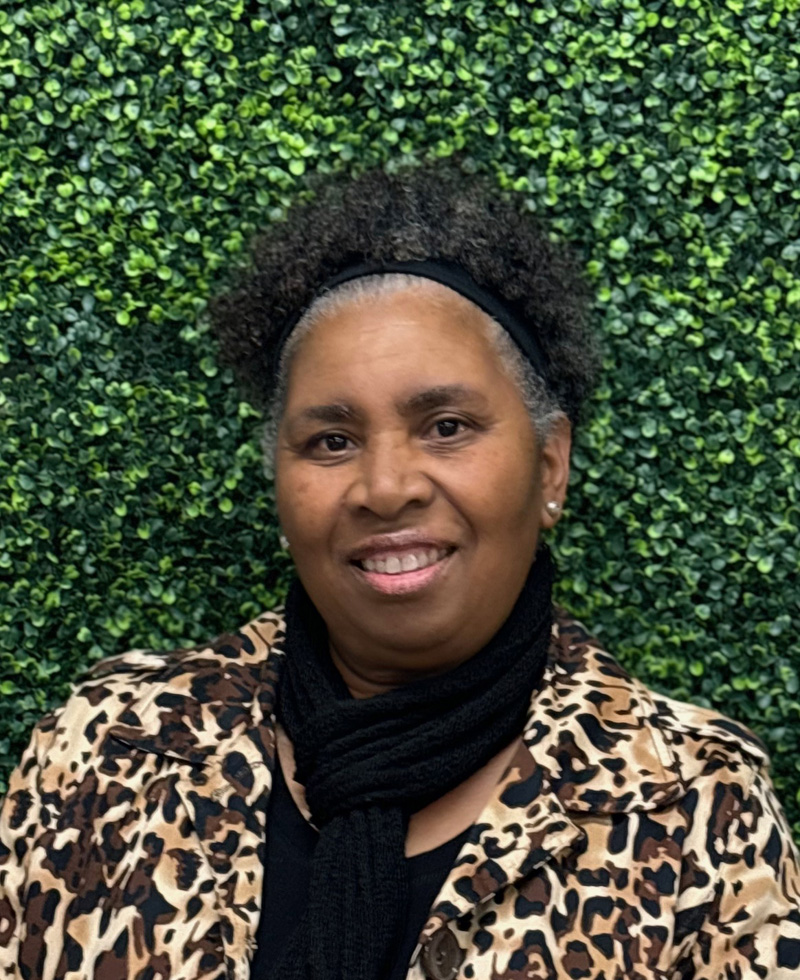 [Opinion column written by Penny Saltus]
Every child arrives in the world with limitless potential – but not all begin on a level playing field. As we mark World Children’s Day on 20 November, we are reminded that our responsibility as a community is not simply to care for children, but to create the conditions that allow every child to thrive. That requires an honest conversation about resilience, equity, and the systems that shape childhood in Bermuda.
Resilience is often misunderstood as “toughness” or the ability to cope without support. In reality, resilience is the ability to adapt, recover and grow when faced with challenges. It is not innate – it is taught, modelled, and strengthened through safe relationships, opportunities to problem-solve, and environments where children feel seen and supported.
Young children learn resilience in moments that may seem small to adults: sharing a toy on the playground, resolving a disagreement, trying again after a mistake, or standing up for themselves. These early experiences form lifelong patterns. Social skills, emotional regulation and conflict resolution are not abstract concepts – they are learned in early childhood through interaction with caregivers, teachers, and peers.
Equitable access means that every child receives the resources, opportunities and support they need to reach their full potential. It recognises that children start from different places and have different needs, and that fairness is not sameness.
In a truly equitable early childhood classroom, you will see:
Culturally responsive teaching
A curriculum that reflects Bermuda’s diversity, uses inclusive examples, honours students’ cultural backgrounds and helps children develop empathy and belonging.
Differentiated instruction
Various learning materials, flexible assignments, multiple ways to demonstrate knowledge and adjustments for children with disabilities or developmental differences. True equity means understanding barriers before they become academic struggles.
Flexible policies
Spaces designed for movement; flexible seating; consideration for individual learning styles; and policies around participation, homework and online access that adapt to family realities.
Systemic support
Targeted resources for children who need them; ongoing professional development for educators; and environments where inappropriate remarks, discrimination or behaviour are addressed immediately and constructively.
When these elements are present, resilience flourishes – not because children are expected to “push through,” but because the environment itself supports their ability to thrive.
Bermuda’s social challenges – from rising living costs to intergenerational trauma and widening disparities – do not stay outside school gates or nursery doors. They influence how children behave, how they learn, and how safe they feel in the world. Children who face adversity — whether economic stress, housing instability, family trauma or community violence — require more support, not less. Equitable systems recognise this and respond accordingly.
If we want healthy families, safe communities and thriving schools, we must start by creating equitable environments in the earliest years — long before gaps widen into barriers and barriers deepen into long-term outcomes.

On 29 November, the Early Childhood Foundation will host a public screening of the documentary Chasing Childhood at BUEI. This film arrives at an important moment for Bermuda and tickets can be purchased on PTIX.
Chasing Childhood explores the rising culture of over-parenting and the ways in which highly curated, high-pressure childhoods can unintentionally undermine resilience, independence and emotional well-being. The film shows that these pressures exist across socioeconomic backgrounds – though they are experienced differently – and that all children benefit from time, space and freedom to engage in unstructured play.
Its core message aligns powerfully with our work: Children become resilient when they have opportunities to explore, take age-appropriate risks, make mistakes, solve problems and discover their own capabilities – not when every moment is managed or perfected for them. In the context of equity, the film also raises urgent questions: If some children are given rich opportunities for play and independence while others face restriction, instability, or limited access to safe environments, how can we expect equal outcomes?
Chasing Childhood challenges us to rethink not just how much we intervene in children’s lives, but why – and for whom.
This screening is open to parents, educators and our wider community. For details, or to secure one of the remaining vendor spaces, please email ecfbda@gmail.com.
- Penny Saltus, Executive Director, Early Childhood Foundation of Bermuda


Read More About
Category: All


