
Column: Palau-Wolffe On Human Rights & More
[Opinion column written by Françoise Palau-Wolffe]
Bermuda, like much of the world, is living through a period of instability and uncertainty. Our close-knit island is not immune to the effects of a shifting global order – one where authoritarianism is resurfacing, socio-economic inequality is widening, and the rule of law is increasingly challenged. These conditions demand heightened vigilance. One of the most powerful – and underutilised – tools available to us in this moment is human rights education.
The 1948 Universal Declaration of Human Rights and the broader international human rights framework were established to lay the foundation for a just world, affirming that “all human beings are born free and equal in dignity and rights.” While these principles have faced criticism, including on grounds of cultural relativism, their enduring strength lies in their ability to transcend linguistic, cultural, and political boundaries, offering a shared set of rights and values applicable worldwide.
Yet, as Eleanor Roosevelt warned us, these ideals “carry no weight unless the people know them, unless the people understand them, unless the people demand that they be lived.”
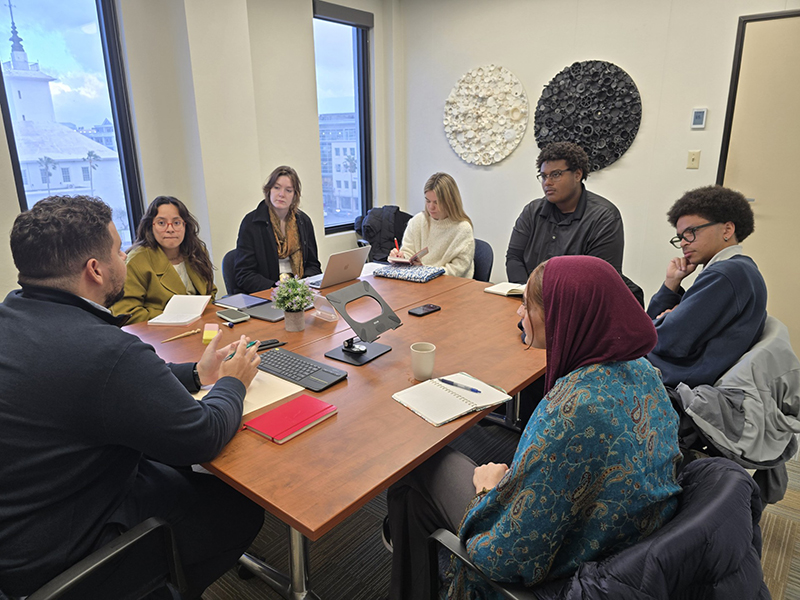
In Bermuda, we often speak about fairness, equal opportunity, and community as shared values. What we do not always share is a common understanding of the rights that underpin them.
Too often, at home and abroad, human rights are treated as abstract concepts – reserved for courtrooms, international treaties, or distant conflict zones. In reality, they shape our daily lives in practical ways. As the 2025 International Human Rights Day theme reminded us, human rights are our “everyday essentials.” They influence whether we feel safe at school, at work, or at home; whether institutions treat us fairly; and whether conflict in our society is addressed restoratively or allowed to deepen divisions.
Research and international frameworks consistently show that educating our children about human rights at an early age fosters empathy, fairness, and respect for self and others. As young people grow into adolescence and adulthood, this knowledge becomes a critical civic tool – enabling participation, accountability, and peaceful engagement.
In Bermuda, while organisations such as the Human Rights Commission, CURB, Bermuda Is Love, and OUTBermuda to name a few, raise awareness of human rights concerns, human rights education is not formally embedded in school curricula, nor is it systematically offered through programmes for older audiences.
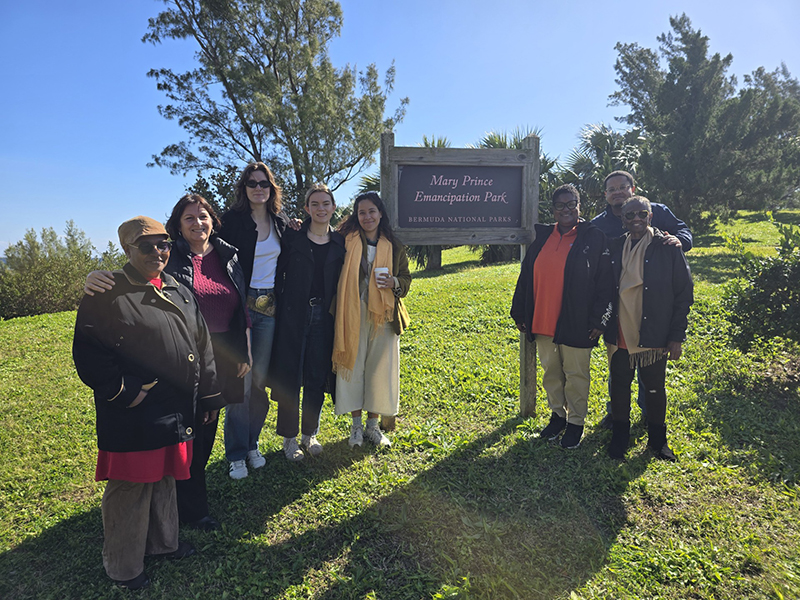
This is where the Human Rights Education Network [HuRen] plays a vital role.
Established in 2025, HuRen was created to advance human rights education across Bermuda by connecting educators, civil society, institutions, and communities around a shared goal: embedding human rights values into learning, both formally and informally.
Our mission is to equip Bermuda’s youth with the knowledge, skills, and attitudes needed for human rights advocacy, through strategic local and international partnerships and the development of accessible educational programmes.
One of our first initiatives, the Human Rights for Changemakers training, was delivered in partnership with the APACE Division of Bermuda College. This certified programme attracted multi-generational participants from diverse backgrounds and helped foster a shared understanding of rights in practice.
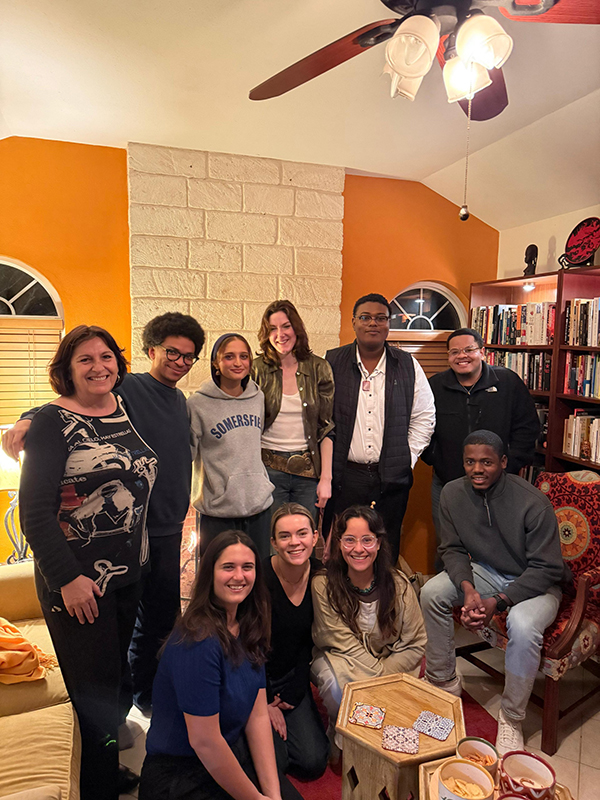
As one of our Changemaker participants commented:
“This course opened my eyes to what human rights truly mean in society. I discovered that human rights are not just abstract ideas; but living principles that shape our everyday lives. Talking about how these rights apply to Bermuda made it real and meaningful, and learning about global frameworks showed me how even our small island is part of a much bigger movement for dignity, justice, and equality.” – Zarah S.
HuRen is also committed to grounding its work in evidence. A youth-led international research collaboration launched earlier this year, is establishing a baseline of existing human rights education initiatives and youth needs in Bermuda, using participatory research methods.
A more just, inclusive, and peaceful Bermuda will not be built by chance. It will be built through intention, understanding, and education. The work of the Human Rights Education Network shows that this is not only possible – it is already underway.
- Françoise Palau-Wolffe, Founder and Executive Director, Human Rights Education Network [HuRen]


Ms Palau-Wolffe,
I do not disagree with your exposition. The problem we face in Bermuda is that one of the biggest discriminators is the PLP Government.
How can you expect the populace to exhibit better behaviour then their government?
It’s true that the governments are doing a poor job at protecting the people’s rights. The people who establish the governments must reclaim their freedoms such as freedom of speech so that their rights can be respected.
Hear! Hear!