
Column: Horner On Belem, COP30 & More
[Opinion column written by Patrice Horner]
From the shoulder of the Atlantic, the arm of the Amazon River reached deep into the continent, grabbing precious minerals and resources of the dense forest. Belem was one of the earliest ‘extractive’ economies and it became very rich. It was established in January by the Kingdom of Portugal and named Belem do Para, referring to Bethlehem. It is coming up on its 410th year. It became part of Brazil in 1775, as did other countries around the world during that era when the world Federated.
It is impossible to know how many natural resources were extracted and massacres committed over the 400 years. The city was bathed in blood and built on carcasses. One can see the incredible wealth from that period, with elaborate architecture such as the grand 18th century Cathedral de Belem Nossa Senhora da Graça to atone for their sins. It is near an historic garden in the old Caetano Brandao square from 1616, the historic center near the ports.
Belem Brazil view from above
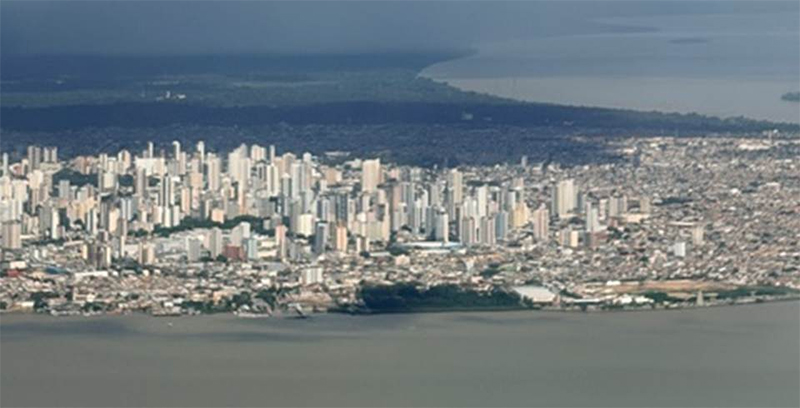
It was one of the earliest cities on the green and gold continent. It is now the capital of Pará, North Brazil in the Global South. It was seen as an unlikely place for the huge UN Climate Conference, which is estimated to have brought in an additional 50,000 people to the crowded city of over 2 million. Flights were at capacity and accommodation very expensive, with nightly rates quadrupling from normal. While the stench of squalor in the old quarters is like most urban blight as the old economy died, the smell of new climate opportunity is present.
As is the case with these events, transportation is congested even more so in the age of Uber. The city in conjunction with COP30 organizers established an elaborate bus system, well thought out but for which it was hard to find guidance. Attendees tended to move with Uber and clog up the narrow arteries of the old city. People everywhere were on the sidewalks with expensive iPhones hailing cars. Those locals on motor bikes saw it as a unique opportunity to grab and drive away with the precious devices.
Caetano Brandao square

Whereas initially it was a strange venue for COP, in other ways it was terrifically apropos. The bureaucrats and modern industrialists could see how the real world lives, for those who ventured out of the Pavilions. It was hot and humid, with little air-conditioning for the locals. Hot water was a rarity for showers. It is hard to fathom how much extra energy was consumed during the period by the COP people. Public transportation for locals was primarily buses that were super crowded [but not like part of Asia where they ride on the roofs]. Roads were in acceptable condition and restaurants available, but not so many modern ones, as local economics encouraged cooking at home.
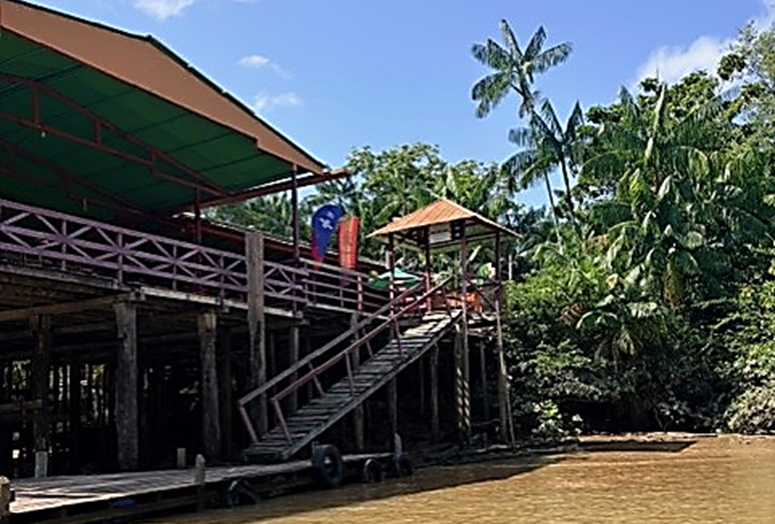
There were a host of restaurants across the Rio Guama tributary. A half day boat tour with a walk in tertiary forests were on the menu for many. [Tertiary means it is the third growth.] There were examples of rubber and towering Brazil nut trees, as well as pure cocoa for sale. The water jaunt was primarily in traditional style narrow canoe shaped boats, although a few modern ones did dash through, flooding others. The tide in the tributary is a couple of feet every six hours, so some marine finesse was in order.
Restaurant on the Rio Guama on the Amazon
The COP30 has Blue Zones for the officials and their guests such as NGOs and those who have examples of ‘net-positive’ climate initiatives. The Green Zone is for the Plebs and what is called ‘Civil Society’ in UN speak. Another 100 other venues hosted meetings for Action groups. There were also many great sites for locals and their families to attend. The indigenous people flowed out of the Amazon to make their interests known. That was one of the great things about this COP, the voices from the interior whose lives are at stake. Their participation was less organized by COP and became a valuable street demonstration, sometimes acknowledged by guns and tanks in the Democratic society.
The interesting thing about the dichotomy of the interior or exterior groups, how very defined, is that they are experiencing different realities. One cogent one is the excellent work being done by mining companies Vale and Anglo-American. In a panel discussion at the Climate Action Summit, they described the methodical steps they are taking with land rehabilitation and water restoration with a particular attention to biodiversity. Vale has a biodiversity Lab which is a model for the world. The Vale Technology Institute in Belem has been researching nature for decades, with 1.6 million of species evidenced.
Presentation of the Amazon Sacred Headwaters Alliance
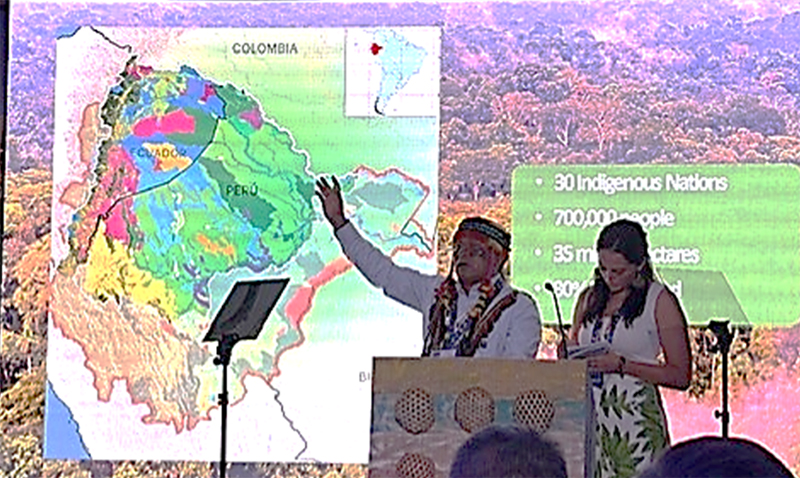
On the other hand, in conversation with indigenous peoples they talk about the toxic mercury being flushed into their Amazon waters, doing unconscionable damage. How can the country regulate against those criminal enterprises who in many instances remain unseen? Compensating the indigenous guardians of the forest and providing them with means of surveillance is a means. That is their ask to protect their water, land, and agriculture.
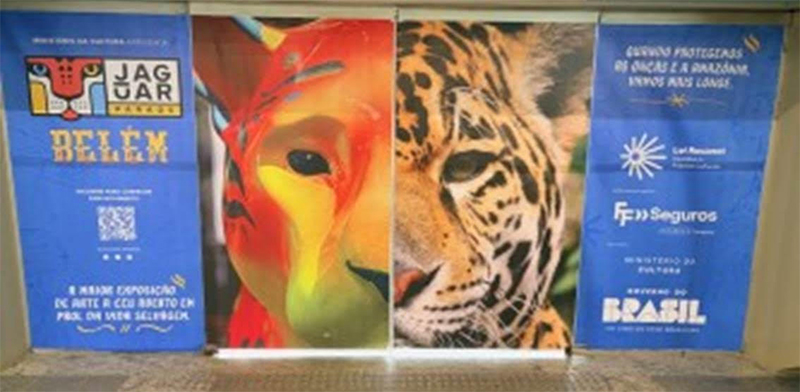
It is yet to be seen what impacts this Action COP may produce. It is speaking the right language. The policy and rules that are being negotiated by the technocrats will be a roadmap with guardrails, along with targets to be reached. The world and all our lives are reliant on it. It is important to realize that significant individual actions are necessary to ensure all species’ survival through this millennia. Jaguars are the symbol of Belem.
- Patrice Horner from Belem Brazil


Read More About
Category: All


