
Column: Creary On Infant Mental Health & More
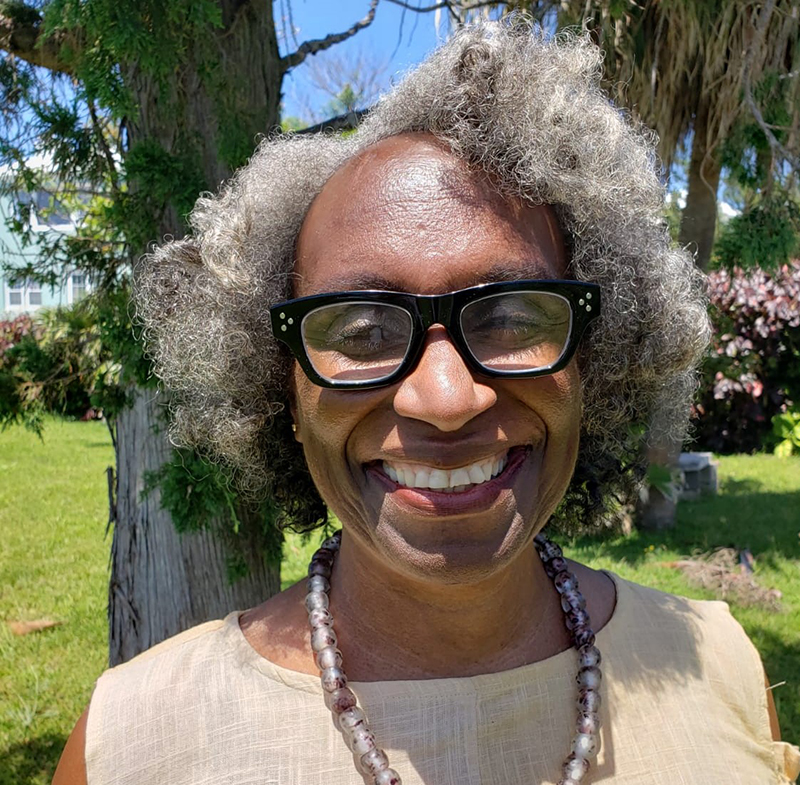 [Opinion column written by Gwendolyn Creary]
When most people hear the words mental health, they may think about anxiety, depression, addiction, or crisis. We do not always think about babies, toddlers, preschoolers, or expectant parents.
Yet mental health begins long before a child can explain how they feel.
Infant and early childhood mental health is concerned with a young child’s ability to express emotions, build secure relationships, explore, learn, and gradually manage everyday stress. It also recognises the wellbeing of the parents, caregivers, and communities surrounding that child.
Pregnancy, childbirth, and the arrival of a baby bring change, vulnerability, and opportunity. Alongside joy, there may be exhaustion, financial pressure, relationship changes, anxiety, or isolation. Families should not be expected to manage all of this alone.
Parents and caregivers want the best for their children. Yet when an adult is overwhelmed or unsupported, it becomes harder to offer a young child the calm and consistency that development requires.
This is not about blaming parents. We cannot support infants and young children without also supporting the adults who care for them.
At ParentGuide, much of my work begins by helping an overwhelmed adult become calm enough to think clearly, understand the child more accurately, and respond with greater confidence and connection. Adults need more than information. They also need practical support, developmental understanding, and reassurance.
Young children develop through relationships. A baby learns that the world is safe when someone responds consistently to their cries. A toddler begins to manage strong feelings through repeated experiences of being comforted and guided. A preschooler develops confidence when adults provide appropriate limits and help them recover from frustration.
These interactions build the foundations for trust, communication, emotional regulation, learning, and future relationships. Children do not first learn regulation through instructions. They learn through being regulated with another person.
This is why connection must come before correction.
Connection does not mean allowing children to do whatever they wish. It means that boundaries and discipline take place within a relationship that remains safe and dependable.
Each child is unique. Children vary in temperament, sensitivity, communication style, and the time they need to reach milestones. Milestones are useful guides, but they should not become rigid deadlines that create unnecessary fear or shame.
Culture must also remain central. Bermuda is a culturally diverse community, with different beliefs about respect, independence, affection, and discipline. Practice must therefore be culturally responsive, rather than based on the assumption that there is only one correct way to raise a child.
Early experiences matter because the brain develops rapidly from the prenatal period through the first five years. This knowledge should not frighten parents or suggest that one difficult period will permanently damage a child. Development remains open to growth, healing, and change.
The goal is not perfect parenting. The goal is for families to receive support early, before difficulties become entrenched or reach crisis point.
For Bermuda, infant and early childhood mental health should be understood not only as a clinical service, but as a matter of prevention, equity, and public wellbeing. Every family, not only those with financial means or strong professional networks, should be able to obtain support during the early years.
No single professional or programme can meet every need. Families, childcare providers, teachers, health professionals, community organisations, and policymakers all have a role to play.
Ultimately, this field asks us to look beyond behaviour and consider what a child may be communicating. It asks us to support adults rather than shame them, intervene early rather than wait for failure, and recognise the importance of the earliest years.
Helping Bermuda’s children thrive begins by strengthening the people, relationships, and systems surrounding them. That is the work of infant and early childhood mental health, and it belongs to all of us.
- Gwendolyn Creary, Infant-Parent Mental Health Post-Graduate Certificate, UMass Boston


Read More About
Category: All


