
Harness Racing Thrives On Community Support
[Written by Patrick Bean]
“Volunteers do not necessarily have the time; they just have the heart.” – Elizabeth Andrew
Thoroughbred racing and polo have long been labelled ‘Sport of Kings’ and so has harness racing been regaled as a pastime of the elite, its predecessor — chariot racing — having at once been a prime feature of games staged at The Colosseum at the behest of Roman emperors, as well as other parts of the old world.
Far from the confines of old-world arenas and theatres of war throughout Greece and Egypt, the sulky has replaced the standing platform just as a decidedly more working-class audience can be found mingling with the elite.
For spectators, the ponies and their drivers are the unquestioned stars, their daredevil feats of speed in competition enthralling in their display.
However, no less significant are the bands of volunteers, many working in anonymity yet performing duties essential to racers — man and beast — being able to take to the track and provide the fun-filled excitement attendees expect.
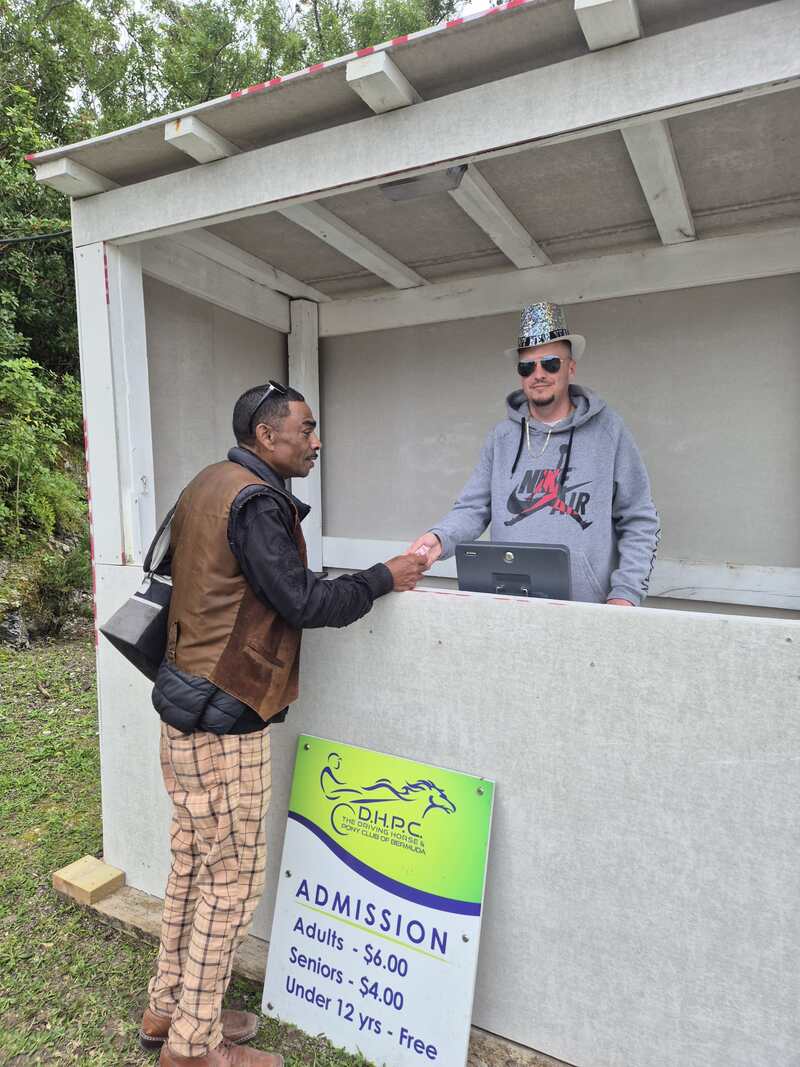
Raceday visitors to the Vesey Street facility will first encounter the tall, imposing figure of Chase Brangman. However, his is role not to dissuade but to welcome, accept a modest entry fee and offer direction as to how to best enjoy a day at the races.
Admission fees are an important revenue for sustainability yet Brangman understands that raising interest and grooming a new generation is just as critical to the sport’s wellbeing. Thus it was on New Year’s Day, as an adult patron arrived with three pre-teenage children in tow Brangman asked only a fee for one adult, while encouraging the patron to fete the youngsters items from the onsite food and beverage concession.
“I love seeing the youngsters coming around because it’s important to sustain and grow what we have,” said Brangman during the moment of charity. “The youngsters, when they come around it gives me joy.
“Plus I just love the sport, the animals, the family atmosphere that exists at every race day and I enjoy being a part of keeping it going as something the community can enjoy.”
Brangman admitted to having, for a time, drifted away from the sport in the exploration of other activities. His affection for harness racing and things equine was renewed upon him and his fiancée having visited Candyce Martins’ family owned and operated.
Martins, herself among the Island’s premier drivers and equerries, encouraged Brangman to become more involved with DHPC. He readily acquiesced taking on various roles, including manning the gate.
“As we went around the barn more and more Candyce got me back into the horse world,” explained Brangman. “As a young boy, my mom and dad got me into horses, taking trail rides and things like that, but when I reached 16 I started messing around with bikes and popular teenage stuff.
“When I got back around Candyce and the Martins family I was drawn back into horses and harness racing and here I am today … I love it.”
Once within the stadium, the distinctive baritone of public address announcer Devonnie Trott dominates as he documents each race, guiding the audience in and out of traffic, weaving in-race action and storytelling while continually setting the scene.
Referred to as ‘Uncle Joey’, Trott doubles as the event DJ, laying down musical tracks of various genres in between races.
Trott’s affinity for horses is rooted in Bermuda’s farming tradition, having had a role as a farmhand as a child.
“I’ve been into horses all my life,” explained Trott. “My grandfather had an old plowhorse, that was my beginnings.
“I ended up working at Warwick Riding School under the late, great Dr Pat Heslop at the trail ride school with his wife Barbara Heslop and was always into horses and ponies.
“My good friend Geno Brangman had a pony named We Go Cash and he and I would take him driving and I got the ‘bug’.
“I had one official race on We Go Cash down at National Sports Club, when races were held there and years later, after children and marriage I came back here just to see a race one day and there was a need for volunteers and, because of my familiarity I was asked to do certain duties around the track.
Among the tasks Trott took on was to drive a truck affixed with a harrow designed to rake and loosen the upper surface of the track.
He eventually landed in the PA role mainly by accident when the regular announcers had to vacate the boot in order to race against each other.
“One day Mr David Lopes and Mr Charles Whited, who shared commentary duties, both had ponies in the same heat and they needed someone to take the microphone, so I grabbed it and started wagging my tongue and I’ve been stuck with it ever since.”
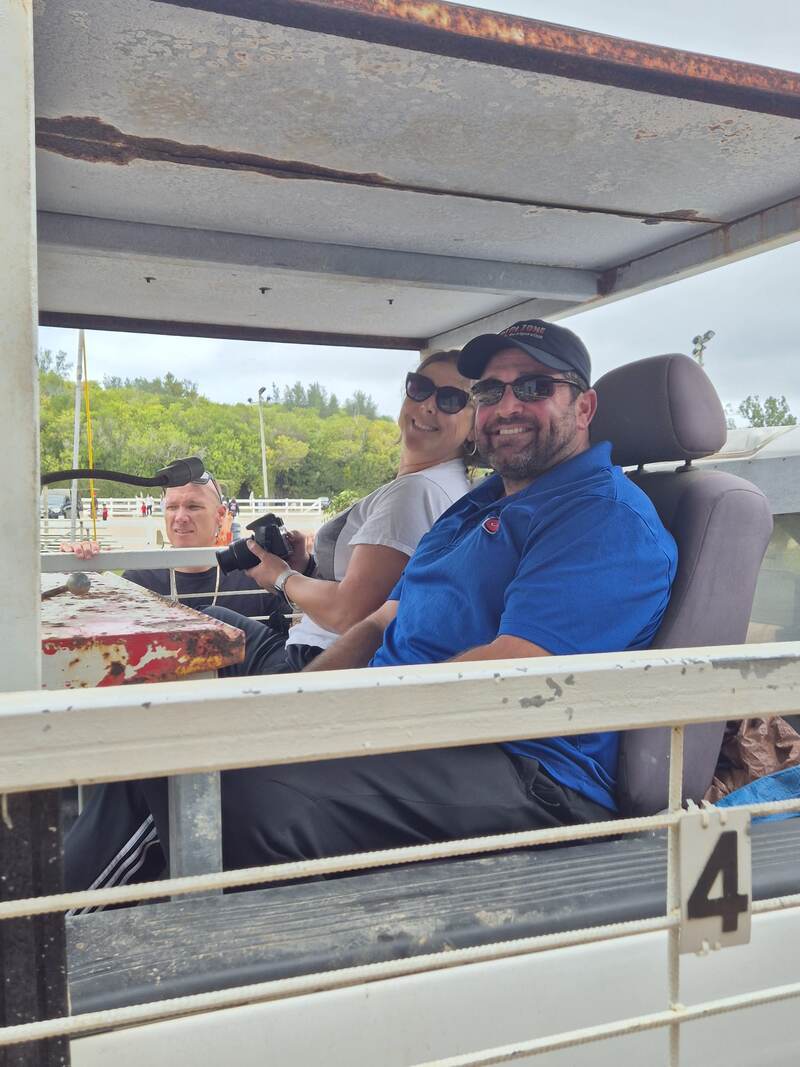
A sideshow unto itself is a motorised starting gate in the form of a hinged gate mounted on a fast-moving motor vehicle, which hosts a driver, passenger and two rear-facing start officials lead the racers towards the starting line, veering off the track at the last moment before slamming on the brakes and sliding to a stop mere feet in front of an imposing limestone embankment.
Not a role for just anyone, such requires expert skill and fittingly powerboat racer Jason Peniston is often called to take the wheel.
“It’s fun and entertaining,” said Penistonl after one such lap. “We pick them up after the parade, signal to the judge and after that, it’s for me to follow what the guy riding in the back says.
“He tells me to slow up or go faster, so it’s just a matter of following instructions at speed.
“It’s definitely a key element and dictates the entire start because you can start it too soon by going too fast too early, so there’s a science involved and without it, races can’t go on.”
Having their safety in the capable hands of Peniston on this day were judges Nicholas DeDosta and DHPC assistant secretary Danielle Correia, the latter noting the challenge associated with producing quality events week after week111 with an entire volunteer staff and a tight budget.
“It takes a lot of volunteers, a lot of people that have ponies in Bermuda to be involved in order to make it what it is,” explained Correia. “There used to be 60 ponies down at this track ten years ago and there were a lot of people involved.
“Now we probably have about 16 ponies and not a lot of stables operate as they used to.
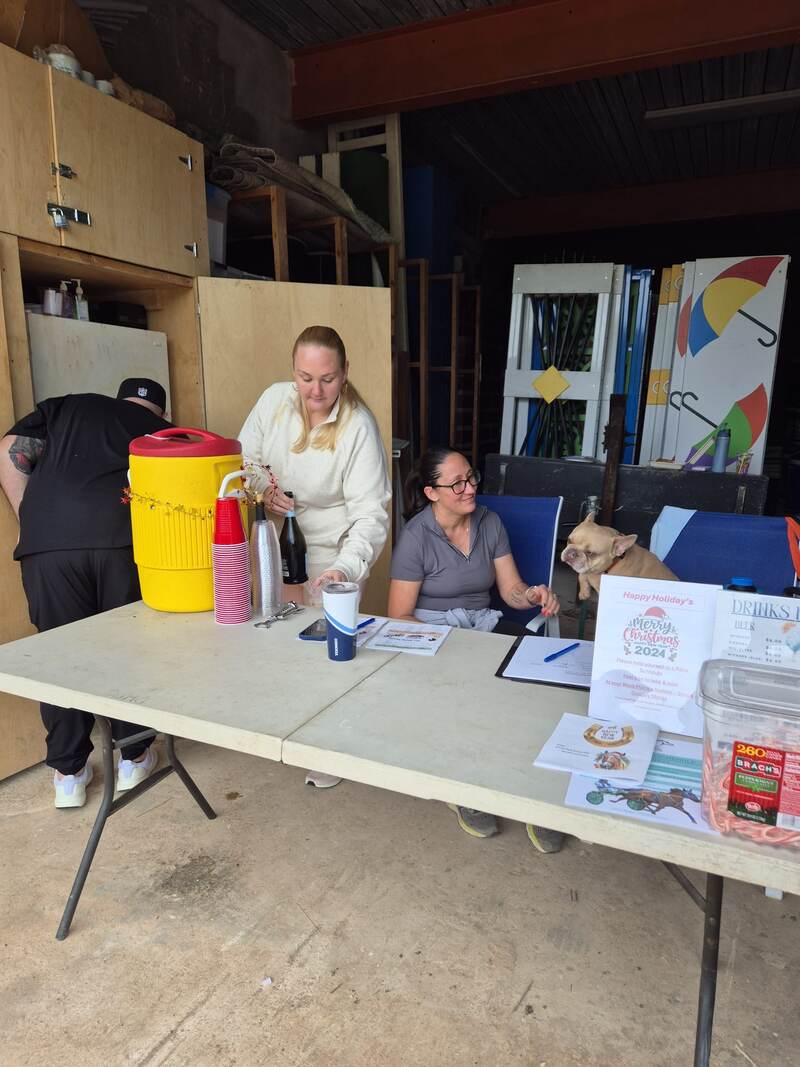
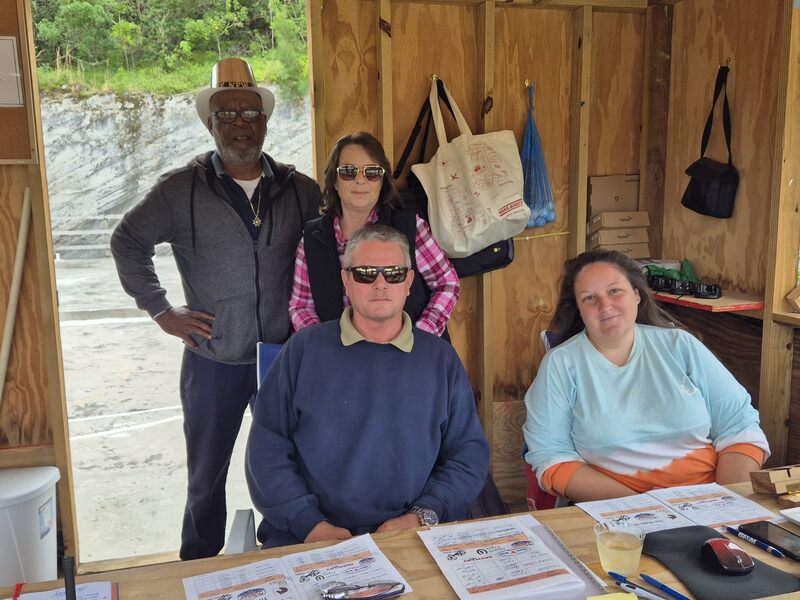
“To make a race day happen you have to have a volunteer for the top gate, a judge, camera, an announcer, which is always Joey Trott, a start car driver, two paddock corner judges, someone to run the bar. We try to rotate and not have the same people in the same roles over and over.
“It’s two hours of your time on race day and then there are many that have to spend time every day caring for the ponies, so it’s truly a labour of love.”
In between serving drinks and distributing snacks in her capacity as race day bartender, DHPC treasurer Ashley Peniston echoed Correia’s remarks. Peniston reiterated the task of advancing harness racing in Bermuda as strenuous in its overall demand and cost.
“It’s difficult for us in terms of funding our expenses,” said Peniston, the husband of Jason. “We have to pay the BEF $475 each week to rent the facility.
“We have some fixed costs which we have to pay each week and it’s a tight budget.
“We get money from entry fees, from race entry fees. We also make money off the bar, we do bake sales and do things each week to raise funds to meet our expenses.”
Peniston expressed sincere gratitude to an array of sponsors, whose contributions greatly aid the cause.



