
Column: Play In Early Childhood Development
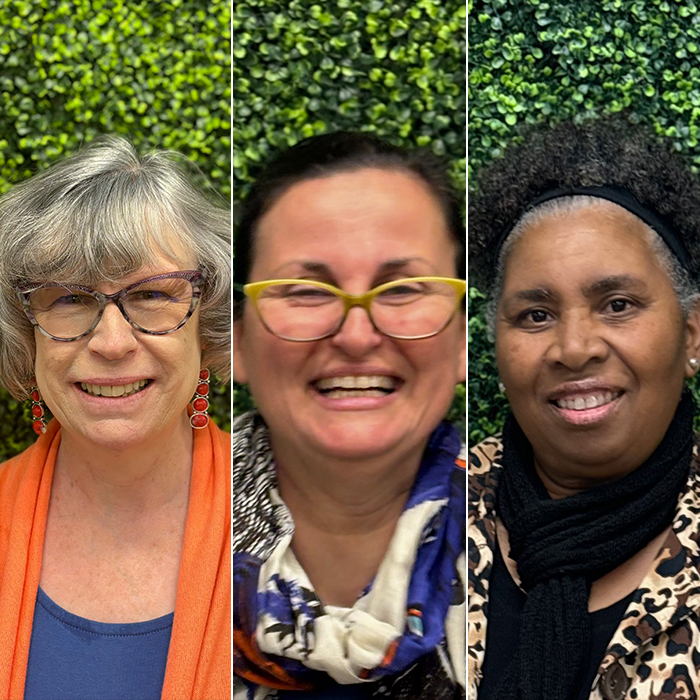
[Column written by Penny Saltus, Dr. Julie Dunstan & Fiona Rodriguez-Roberts]
Play is often dismissed as just “fun,” but for young children, play is a serious – and essential – business. Defined as activity for enjoyment and recreation, play is the very foundation of how children explore, understand, and interact with the world. Far from being a break from learning, play is learning.
Research consistently shows that play is the foundation for cognitive development promoting the growth of sturdy brain architecture through exploration and social interaction. These early experiences matter deeply. During the first five years of life, the brain forms more than a million neural connections every second. This is the most flexible and responsive the brain will ever be, and experiences during this window set the stage for lifelong learning, behavior, and health.
When children are engaged in self-directed play—stacking blocks, splashing in water, digging in the garden – hey are not just having fun, they are developing complex skills in creativity, problem-solving, and resilience.
Play also supports emotional regulation, communication, and executive function – capacities that help children plan, adapt, and make decisions. The skills children develop through play, like focus, persistence, and curiosity, are major predictors of school readiness, future academic success and social competence later in life.
Yet public perception in Bermuda often doesn’t reflect this science. In a 2022 Omnibus Survey, put less value on play-based learning such as motor games, Playdoh, LEGO and imaginary play over the rote skills such as counting, alphabet and writing name. This gap reveals a need to raise awareness of the power of play, especially when paired with nurturing adult support.
Children are not passive learners. They thrive when they can explore their environment freely, not when they’re confined to tables and chairs, repeating the same task as everyone else. They need bright, airy spaces with room to move, and age-appropriate, sensory-rich materials like water, sand, and fabric to spark their curiosity and challenge their thinking.
Most importantly, the power of play is amplified by the presence of nurturing caring adults. When caregivers and educators value and support play, they help children feel safe, seen and confident enough to take the risks that require learning requires. Studies show that positive adult-child interactions during play are linked to better cognitive and emotional outcomes, and stronger mental health.
It’s time we shift our thinking. Play is not an extra; it’s not a luxury. It’s a vital part of childhood and a cornerstone of education. When we promote and prioritise play, we’re not only preparing them for school honouring – we’re preparing them for life.
Let’s give our children what they truly need: the space, the materials, and the freedom to play their way to deeper learning.
- Penny Saltus, Dr. Julie Dunstan & Fiona Rodriguez-Roberts. Penny Saltus is an experienced early childhood practitioner and advocate, and the Executive Director of the Early Childhood Foundation of Bermuda. She brings over 25 years of expertise of supporting and championing children. [ecfbda@gmail.com] Dr. Julie Dunstan is a Bermudian psychologist, author, and founder of innovative programs such as The Pirates Of Pondering [Grades PK-2] that empower children with the critical thinking and adaptability needed in a changing world. [flexiblemindsets.com] Fiona Rodriguez-Roberts is an early childhood education leader dedicated to creating nurturing, play-rich environments. She is currently the Executive Director of the Kaleidoscope Arts Foundation. [kaf.bm]


