
Nine Students Selected For ASU BIOS Internships
Shavon Nisbett, Rahkeem Wilson, Olivia Dilks-Smith, Anne-Camille Haziza, Noah Astwood, Gray Swan, William Silvester, Zahari Burgess, and Max Santiago are enjoying internships at Bermuda Institute of Ocean Sciences [BIOS], working alongside leading scientists and contributing to ongoing research projects.
A spokesperson said, “Now in its 49th year, the Bermuda Program gives young Bermudians hands-on opportunities to contribute to ocean and environmental research.
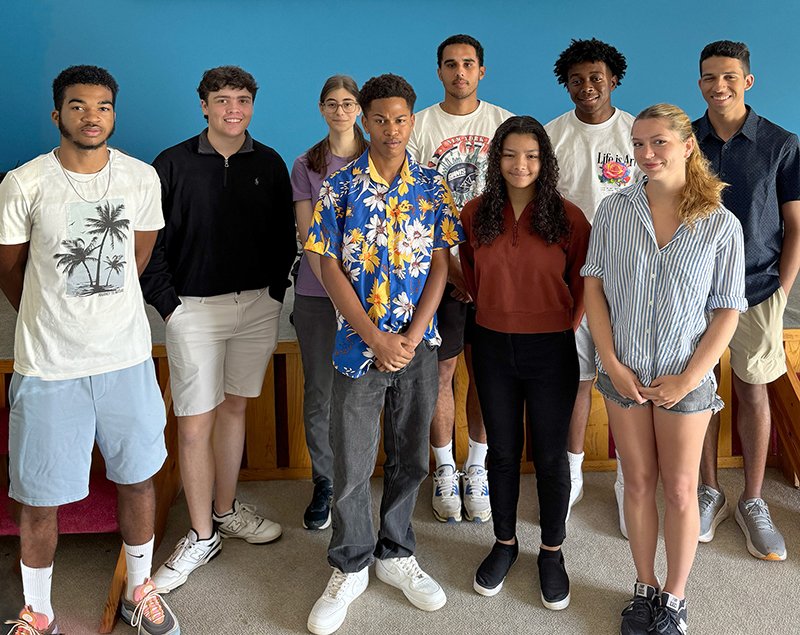
“The Bermuda Institute of Ocean Sciences [BIOS], a unit of the Julie Ann Wrigley Global Futures Laboratory at Arizona State University, has welcomed nine local students to participate in the 2025 Bermuda Program. The annual internship provides hands-on research experience and mentorship for young Bermudians pursuing studies in science, technology, engineering, and mathematics [STEM].
“For 49 years, the Bermuda Program has given students the opportunity to work alongside leading scientists at ASU BIOS while contributing to ongoing research projects that address global and local environmental challenges. This year’s interns are engaging in a wide range of studies, including marine biology, chemistry, engineering, fungal ecology, and hurricane risk modelling.
Meet the 2025 Bermuda Program Interns

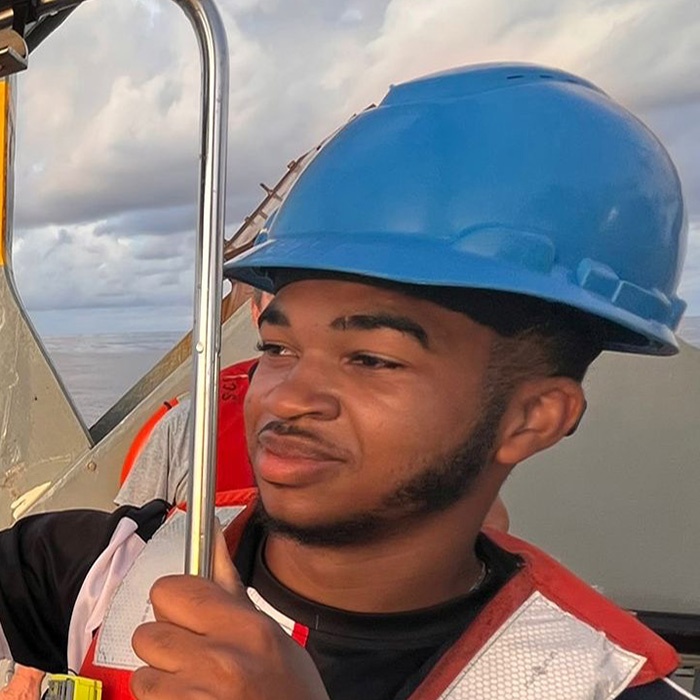 “Shavon Nisbett [20] – A marine biology student at Nova Southeastern University [USA], Shavon is researching nanoplastics in the ocean and joined ASU BIOS’s Bermuda Atlantic Time-series Study Validation [BVAL] cruise from Puerto Rico to Bermuda. He described the cruise aboard ASU BIOS’s research vessel Atlantic Explorer as, “An opportunity that will live long in my memories,” and said he is grateful for the chance to continue building upon his scientific foundation. Looking ahead, Shavon hopes to graduate with the highest GPA possible and continue to explore different career paths within marine science. This is Shavon’s 4th summer as a Bermuda Program intern and his advice to younger students is to, “Be open to everything. The Bermuda Program is a great place that is growing and changing in a positive direction, offering many amazing opportunities to learn and gain experience.”
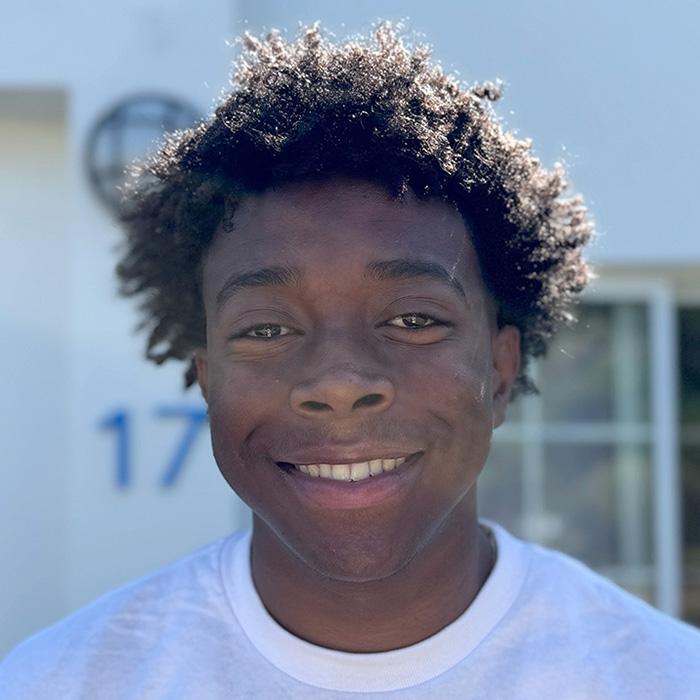 “Rahkeem Wilson [18] – Preparing to study engineering at Acadia University [Canada], this summer Rahkeem worked with mentor Tarik Smith on the First Flush Project, installing a rainwater harvesting system at the Berkeley Cultural Center to improve water quality. “My goal was to gain a better understanding of how engineering can positively impact communities,” he said. He appreciated the flexibility of the program, which allowed him to balance fieldwork, lab work, and graduation activities. “Opportunities like these can open doors to exciting experiences and help you discover what you’re truly interested in,” he added.
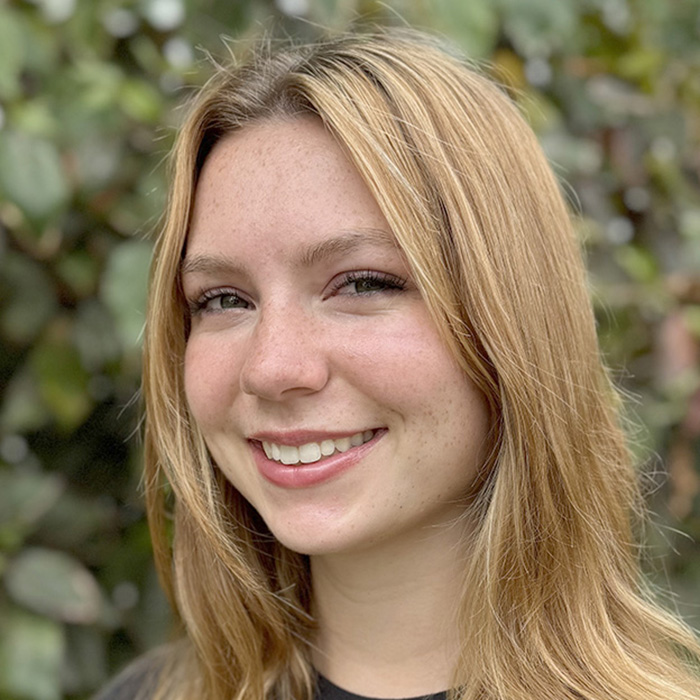 “Olivia Dilks-Smith [21] – A chemistry student at the University of Southampton [England], Olivia is continuing her previous Bermuda Program project, applying chemistry methods in oceanography and working with the Bermuda Atlantic Time-series Study [BATS]. A highlight of her project has been the chance to go to sea on a BATS research cruise and work with advanced equipment such as the High Performance Liquid Chromatography [HPLC] machine. “As long as you love science and have an interest in it, you already have the qualities to persevere,” she said, encouraging other young Bermudians to follow their passion for science.
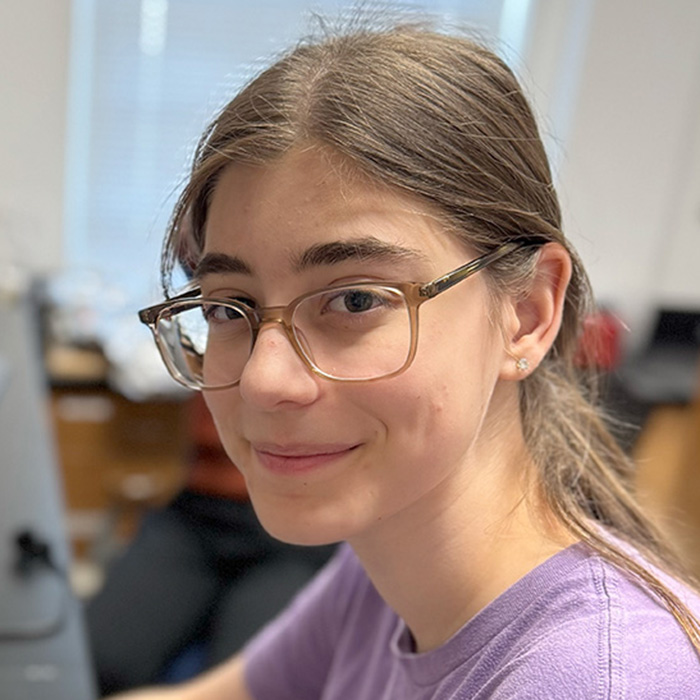 “Anne-Camille Haziza [17] – Soon to begin studies in applied mathematics and physics at McGill University [Canada], Anne-Camille worked with Dr. Hossein Masigol on fungal diversity and its links to human activity in Bermuda. She found herself unexpectedly fascinated by fungi, saying, “I’ve come to appreciate their central role in geochemical cycles and their potential intersections with mathematics.” Reflecting on her growth through ASU BIOS programs, she added, “Self-doubt can be more limiting than failure. Be curious, stay open to learning, and don’t be afraid to step outside your comfort zone.”
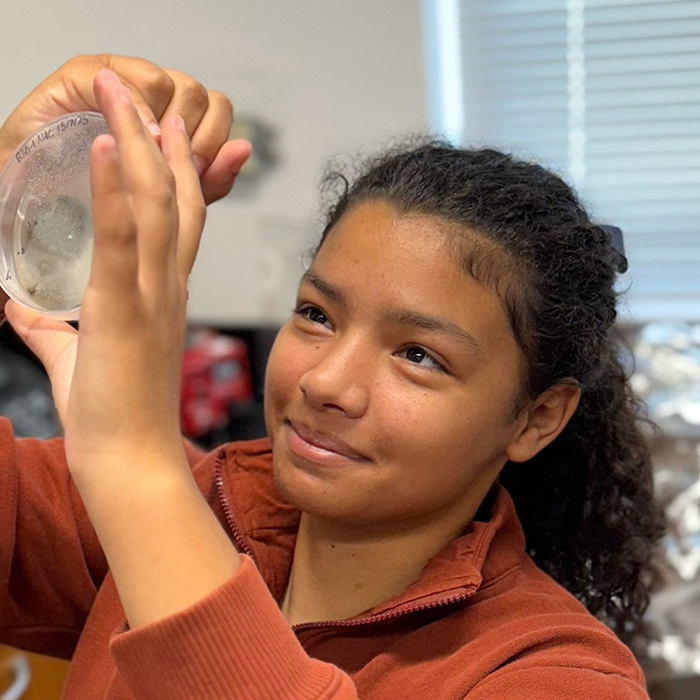 “Noah Astwood [18] – On a gap year while preparing to apply to Rutgers University [USA], Noah assisted Dr. Masigol with fungal diversity research, learning key laboratory skills such as DNA extraction and PCR. “Getting to do these procedures in person was completely different from just learning about them in school,” she said. Noah hopes to pursue biology and eventually astrobiology, while also teaching sailing locally during summers. She noted, “The Bermuda Program is a space for you to learn while exploring a new environment, and challenges are expected. What matters is to try again, because even no results are a type of result.”
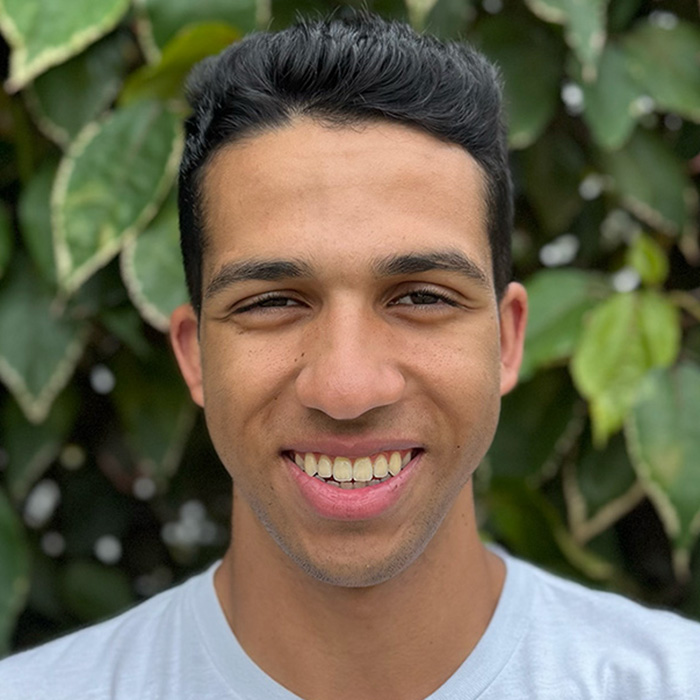 “Gray Swan [19] – A mechanical engineering and business student at the University of Kentucky [USA], Gray worked with Dr. Tim Noyes to prepare equipment for the Oleander Project, including filters, pumps, and eDNA [environmental DNA] collectors. “The most exciting part was getting to work on projects that matter to the organization,” he shared. Looking toward graduate school, he hopes to pursue ocean engineering. His advice to students was, “Don’t be afraid if you don’t know everything. You’ll be asked to do things you haven’t learned yet, but that’s how you get ahead of your peers and discover something cool.”
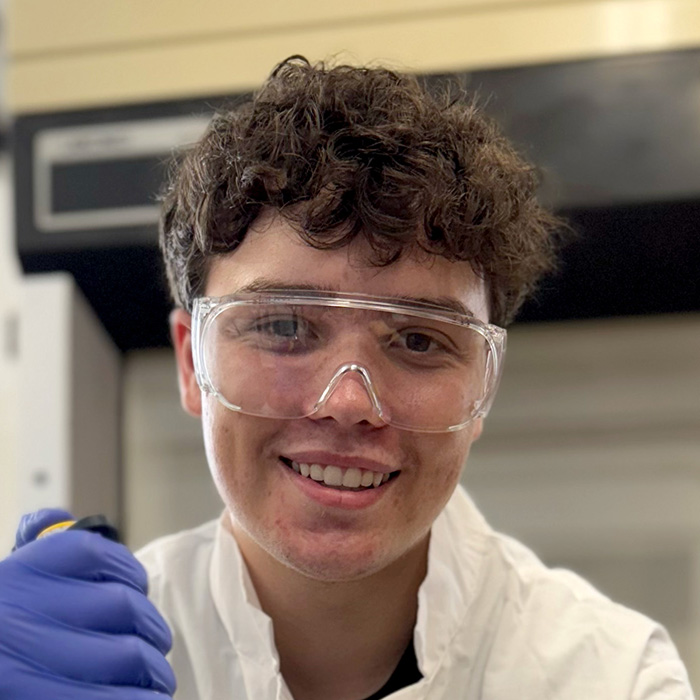 “William Silvester [18] – A Northfield Mount Hermon [USA] student applying to university, William focused on using eDNA to study biological gradients along the Oleander route. A highlight came during his first offshore cruise when a hammerhead shark was spotted, of which he noted, “That was definitely not something I had envisioned happening, but it was unforgettable.” William, who hopes to study molecular biology, encourages others to embrace new opportunities and commented, “Lean into the experiences offered, even if they’re outside the opportunities you initially joined for. Some of my best experiences came from fieldwork, even though I thought I’d prefer the lab.”
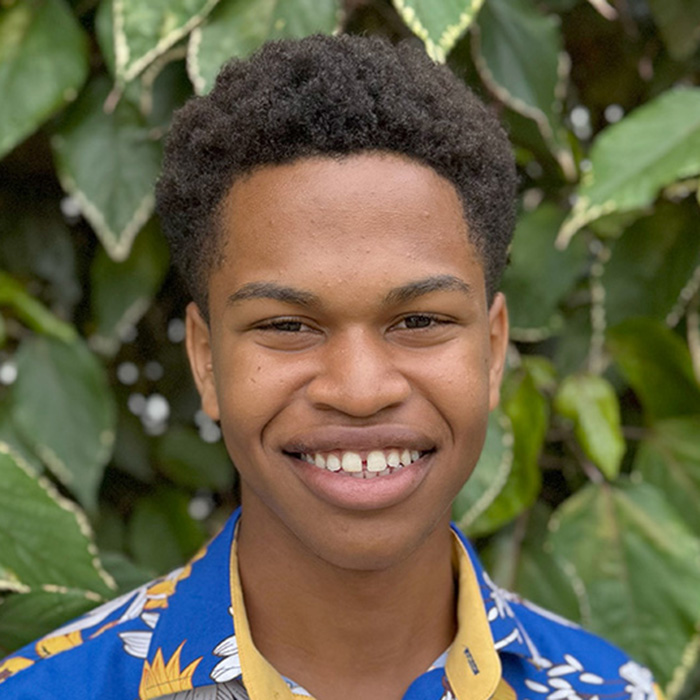 “Zahari Burgess [18] – Planning to study at Ontario Tech University [Canada] in September, Zahari worked on incorporating a GPS system into an eDNA sampler, aiming to make it fully autonomous and controllable online. “The most unexpected part was learning how GPS strings are received and processed in different devices,” he said, noting how technical challenges shaped his project. He has previously participated in ASU BIOS’s MARINE program and an ocean engineering shadowing experience. Looking ahead, he hopes to study mechanical or electrical engineering and pursue a career in the nuclear industry or graduate research. His advice to students was to, “Research and work on what interests you outside of school — you might discover something you’d like to pursue as a personal project or even as a future career.”
 “Max Santiago [20] – Returning for his second year in the Bermuda Program, Max, a Purdue University [USA] student studying atmospheric science and aviation management, worked with Dr. Mark Guishard on hurricane risk modelling. He said one highlight was visiting Tudor Hill Marine-Atmospheric Observatory where he could learn about the field instruments in use. Max plans to pursue graduate studies in meteorology and a career in severe weather or air operations. His advice was to, “Keep pursuing it. Especially in Bermuda, you can find camps or programs that will nurture your interests.”
“These nine interns represent the next generation of Bermudian scientists, engineers, and innovators. Through their work at ASU BIOS, they are gaining valuable skills and contributing to research that has both local and global impact. To learn more about the Bermuda Program and other opportunities for students, visit https://bios.asu.edu.”



Read More About
Category: All, Environment, News


Congratulations, well done.