
World Sky Games Brings Lessons To Life
[Written by Reginald Gant and Don Burgess]
Bermuda is using the emerging World Sky Games initiative to help bring science, engineering, and sustainability lessons to life for students across the island.
The proposed global airship racing series has become more than a sporting concept locally, with the Bermuda Ministry of Education beginning to align elements of the project with broader STEAMS learning goals — Science, Technology, Engineering, Arts, Mathematics, and Sustainability.
Educators involved in the initiative say the goal is to transform the sky into an extension of the classroom, using real-world developments in aviation, climate science and engineering to create “Look Up!” learning opportunities for students.
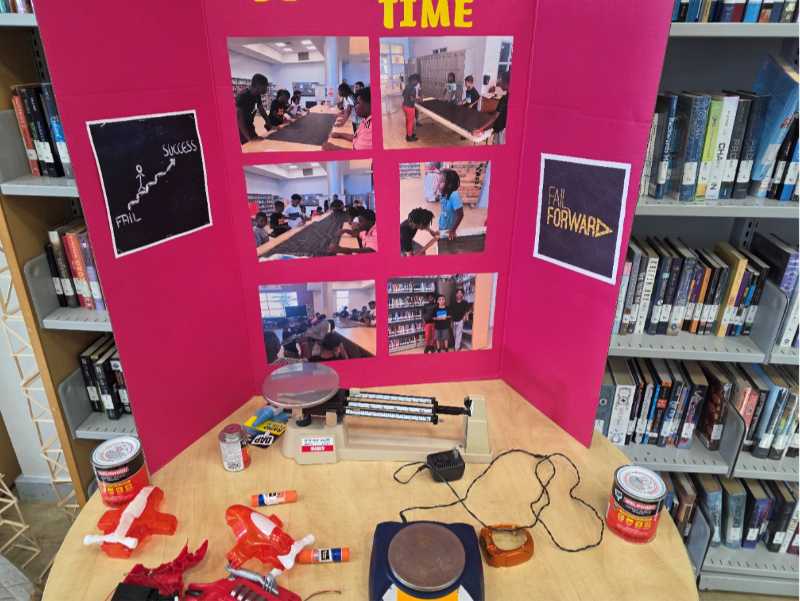
At CedarBridge Academy, that vision is already taking shape.
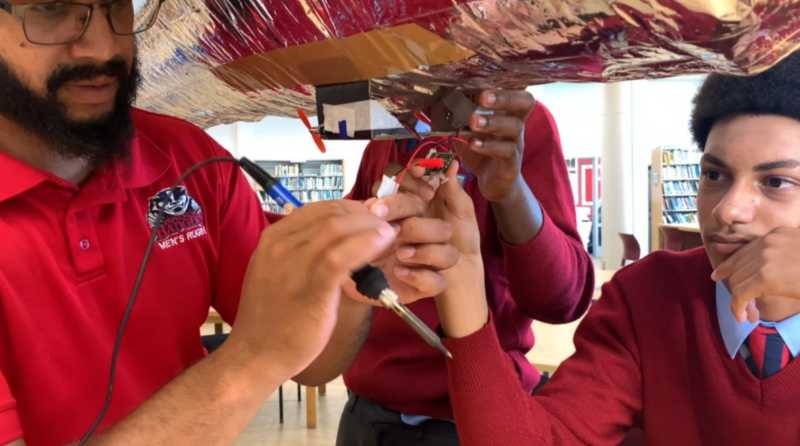
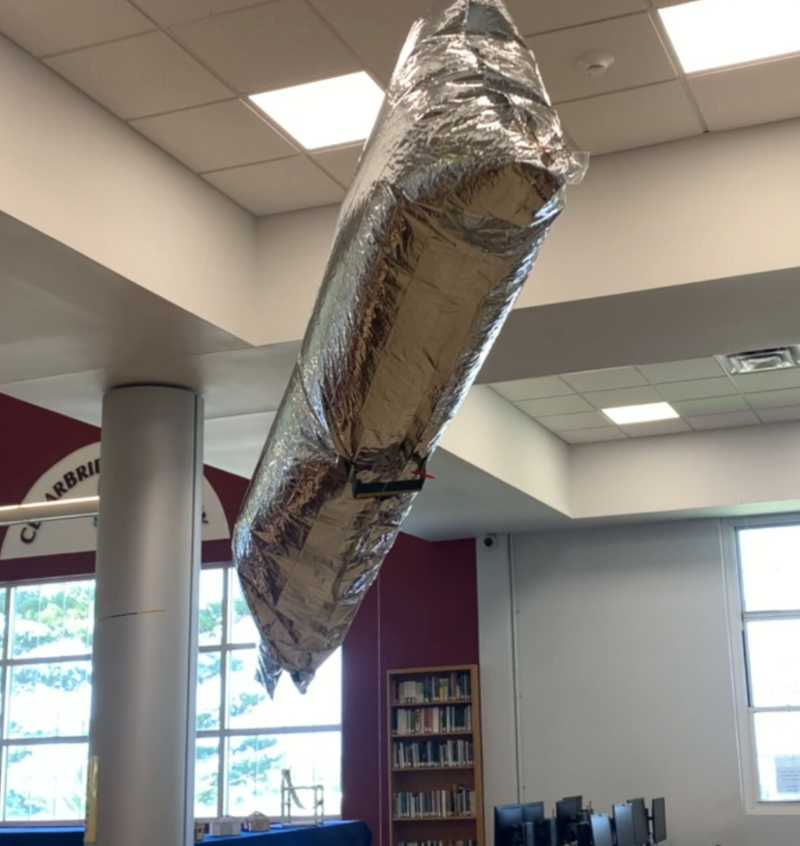
Students participating in the school’s STEAM programme, led by director Neville Zuill, are exploring aerodynamics, drone technology, and flight systems as part of a long-term effort to design and eventually build an airship.
Inside classrooms, teachers say the impact has been immediate.
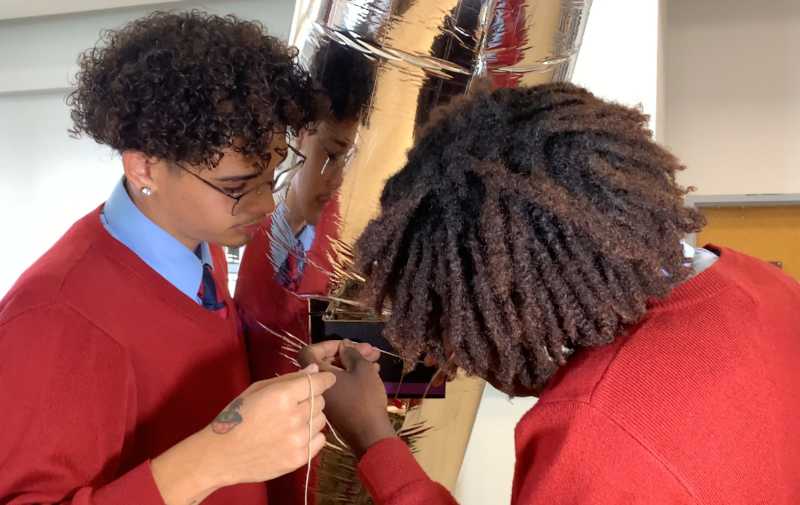
Students are moving beyond textbook-based instruction into hands-on experimentation and collaborative problem-solving. Younger students contribute ideas and concepts, while older students help refine those ideas into practical designs and working models.
Educators involved in the programme say the approach has sparked high levels of curiosity, engagement, and creativity among participants.
The initiative also draws on Bermuda’s cultural traditions.
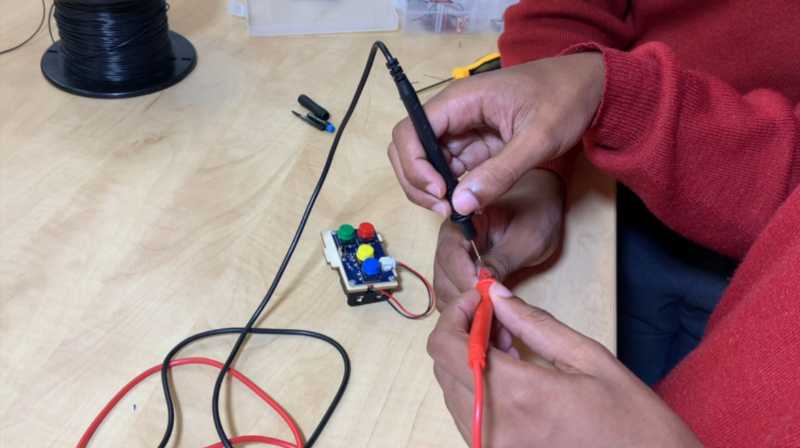
The island’s annual KiteFest celebrations have provided educators with what they describe as a natural connection between Bermuda’s history of kite-making and modern lighter-than-air flight technologies. Teachers believe the relationship between traditional craftsmanship and emerging aerospace concepts offers students a unique way to connect cultural identity with scientific innovation.
Supporters of the World Sky Games say the initiative could eventually extend beyond classroom learning and create career development opportunities for Bermudian students.
Plans tied to the project include internships connected to logistics, communications and technical operations associated with the proposed international airship series.
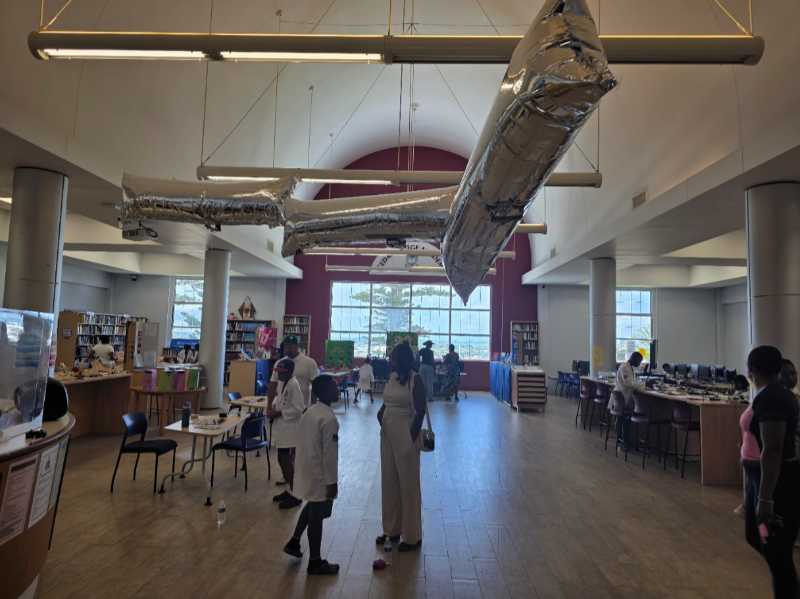
Organizers say the experience could provide students with early exposure to fields such as sustainable aviation, engineering, environmental technology, data analytics and international event management.
The long-term objective, supporters say, is to help develop a workforce prepared for emerging industries tied to sustainability and advanced transportation technologies.
Bermuda’s location in the Atlantic continues to shape its importance within the broader concept.
Historically known as a key waypoint in transatlantic aviation, the island is expected to serve as one of several international destinations connected to the proposed Games.
The World Air League has promoted the initiative as both a sporting and environmental platform, emphasizing low-carbon aviation technologies and reduced logistical impact.
Supporters believe the project could strengthen Bermuda’s reputation as a destination focused on sustainability and innovation while also reinforcing the island’s longstanding ties to aviation history.
Organizers say early planning discussions have emphasized local sourcing and regional vendor participation, with the aim of directing event-related spending into host communities.
The project is also being described as a potential “living laboratory” for clean technology, with supporters drawing comparisons to the lasting educational and technological impact Bermuda experienced following the America’s Cup.
While the World Sky Games remain in development, educators say the initiative is already changing how some Bermudian students experience learning.
For students at CedarBridge Academy, concepts such as flight, climate science and engineering are no longer abstract classroom topics, but increasingly visible, practical and within reach.



